C++ Institute JSA-41-01 : JSA - Certified Associate JavaScript Programmer

  • Exam Code: JSA-41-01
  • Exam Name: JSA - Certified Associate JavaScript Programmer
  • Updated: Nov 21, 2026   Q&As: 0 Questions and Answers

We are already working hard to make JSA-41-01 exam material available to our valued customers. If you are interested in JSA-41-01 exam material, provide us your email and we will notify you.

About C++ Institute JSA-41-01 Exam

Test points stay steady even as exam details shift, and TorrentVCE has already compiled and sorted them for you. Every 2026 purchase includes 365 days of free updates to the C++ Institute JSA - Certified Associate JavaScript Programmer practice questions.

C++ Institute JSA-41-01 Exam Syllabus Topics:

SectionWeightObjectives
Topic 1: Built-in Objects27%- Date
  • 1. Measure elapsed time and distinguish local time from UTC
    • 2. Construct dates and read or modify date components
      - String
      • 1. Manipulate string case, splitting, searching, and replacement
        • 2. Use string padding, trimming, and comparison operations
          - Number
          • 1. Convert between numeric values and strings and handle numeric formats
            • 2. Use Number static properties, methods, and formatting APIs
              - JSON
              • 1. Parse JSON data using JSON.parse()
                • 2. Serialize data using JSON.stringify()
                  - Advanced Array Methods
                  • 1. Use filter(), sort(), map(), and reduce()
                    • 2. Use find(), every(), and some()
                      - Extending Built-in Types
                      • 1. Understand the risks of modifying built-in prototypes
                        • 2. Extend built-in prototypes responsibly
                          - Set Collections
                          • 1. Iterate over sets and convert them using spread syntax
                            • 2. Create sets and use add(), has(), delete(), clear(), and size
                              - Objects as Data Structures
                              • 1. Use plain objects as dictionaries
                                • 2. Manage object entries and iterate over them
                                  - Map Collections
                                  • 1. Create maps and use set(), get(), has(), delete(), clear(), and size
                                    • 2. Iterate over map key-value pairs
                                      - Regular Expressions
                                      • 1. Use test(), exec(), match(), search(), and replace()
                                        • 2. Create regular expressions using RegExp or literal syntax
                                          - Math
                                          • 1. Apply power, logarithmic, and trigonometric functions
                                            • 2. Use rounding, random number generation, minimum, maximum, and absolute value operations
                                              - Arrays
                                              • 1. Create and merge arrays and add or remove elements
                                                • 2. Use slice(), splice(), spread syntax, and destructuring
                                                  Topic 2: Classless Objects25%- Creating Classless Objects
                                                  • 1. Create objects using factory functions
                                                    • 2. Create objects using Object.create() and explicit prototypes
                                                      • 3. Create objects using constructor functions and new
                                                        - Object Configuration
                                                        • 1. Control object mutability using Object.preventExtensions(), Object.seal(), and Object.freeze()
                                                          • 2. Configure property descriptors using Object.defineProperty()
                                                            - Property Existence and Enumeration
                                                            • 1. Enumerate object properties using for...in with own-property filtering
                                                              • 2. Use Object.keys(), Object.values(), and Object.entries()
                                                                • 3. Test property existence using the in operator
                                                                  - Prototypes
                                                                  • 1. Recognize __proto__, [[Prototype]], and Function.prototype
                                                                    • 2. Set prototypes using Object.setPrototypeOf()
                                                                      • 3. Understand prototype-based inheritance and prototype chains
                                                                        - Getters and Setters
                                                                        • 1. Use accessors to validate or compute property values
                                                                          • 2. Declare accessor properties using get and set
                                                                            - Create Individual Objects
                                                                            • 1. Create objects using object literal syntax and initialize fields
                                                                              - Methods and this
                                                                              • 1. Use this correctly in method contexts
                                                                                • 2. Store functions as object properties and define methods in object literals
                                                                                  • 3. Add methods to existing objects
                                                                                    - Comparing Objects
                                                                                    • 1. Distinguish reference equality from deep structural comparison
                                                                                      • 2. Understand object identity and value equivalence
                                                                                        - Object Properties
                                                                                        • 1. Work with nested properties and optional access patterns
                                                                                          • 2. Add, modify, and delete object properties
                                                                                            - Copying and Cloning Objects
                                                                                            • 1. Understand deep-cloning strategies and their limitations
                                                                                              • 2. Use Object.assign() and the spread operator for shallow cloning
                                                                                                • 3. Distinguish copying references from cloning values
                                                                                                  - Dot and Bracket Notation
                                                                                                  • 1. Use dot notation for standard property identifiers
                                                                                                    • 2. Use bracket notation for multi-word, dynamic, and computed property keys
                                                                                                      Topic 3: Advanced Functions25%- Parameters and Arguments
                                                                                                      • 1. Simulate named parameters using objects and destructuring
                                                                                                        • 2. Use default parameter values, rest parameters, and spread syntax
                                                                                                          - Asynchronous Network Requests
                                                                                                          • 1. Retrieve network data using XMLHttpRequest
                                                                                                            • 2. Perform asynchronous requests using the Fetch API
                                                                                                              - Closures and IIFEs
                                                                                                              • 1. Understand and use closures over lexical environments
                                                                                                                • 2. Implement Immediately Invoked Function Expressions
                                                                                                                  - Call Forwarding and Context
                                                                                                                  • 1. Control this and forward calls using call(), apply(), and bind()
                                                                                                                    - Promises
                                                                                                                    • 1. Create promises and handle results using then(), catch(), and finally()
                                                                                                                      - Asynchronous Programming with Callbacks
                                                                                                                      • 1. Handle asynchronous errors and callback conventions
                                                                                                                        • 2. Organize asynchronous flows using callbacks
                                                                                                                          - Promise Chaining and Patterns
                                                                                                                          • 1. Use Promise.all(), Promise.any(), and Promise.race()
                                                                                                                            • 2. Chain asynchronous operations
                                                                                                                              - Generators and Iterators
                                                                                                                              • 1. Define generator functions and iterate using for...of
                                                                                                                                • 2. Implement custom iterables and iterators
                                                                                                                                  - Function Decorators
                                                                                                                                  • 1. Compose function wrappers and higher-order functions
                                                                                                                                    • 2. Pass functions as arguments and return functions
                                                                                                                                      - Async and Await
                                                                                                                                      • 1. Handle asynchronous errors using try/catch
                                                                                                                                        • 2. Write asynchronous functions and await promise results
                                                                                                                                          Topic 4: Classes and Class-Based Approach23%- Class Declarations
                                                                                                                                          • 1. Declare classes with constructors, fields, and methods
                                                                                                                                            • 2. Use class expressions and treat classes as first-class values
                                                                                                                                              - Accessors in Classes
                                                                                                                                              • 1. Use accessors for computed and validated properties
                                                                                                                                                • 2. Implement getters and setters inside class bodies
                                                                                                                                                  - Class Fields
                                                                                                                                                  • 1. Initialize fields in constructors or using class field syntax
                                                                                                                                                    - Instantiation and Type Checks
                                                                                                                                                    • 1. Instantiate objects using new
                                                                                                                                                      • 2. Verify class relationships using instanceof
                                                                                                                                                        - Inheritance
                                                                                                                                                        • 1. Call parent constructors and methods using super
                                                                                                                                                          • 2. Extend classes using extends and override inherited members
                                                                                                                                                            - Static Members
                                                                                                                                                            • 1. Define and access static methods and properties on classes
                                                                                                                                                              - Classes and Constructors
                                                                                                                                                              • 1. Understand the relationship between classes and prototype methods
                                                                                                                                                                • 2. Compare class syntax with constructor functions

                                                                                                                                                                  Asked and Answered: C++ Institute JSA - Certified Associate JavaScript Programmer

                                                                                                                                                                  C++ Institute JSA - Certified Associate JavaScript Programmer is an official OpenEDG JS Institute exam, registered under the code JSA-41-01. Passing it earns the C++ Institute Certification certification at the Associate level. It also connects to JSE - Certified Entry-Level JavaScript Programmer, JSA - Certified Associate Data Analyst with Python. In a fast-developed industry, this certificate is a promise to your career and your next promotion.

                                                                                                                                                                  No formal prerequisites. JSE - Certified Entry-Level JavaScript Programmer (JSE-40-01) is recommended but not required.

                                                                                                                                                                  Vendor policies do evolve, so confirm the current conditions before you register on the official exam page.

                                                                                                                                                                  The C++ Institute JSA - Certified Associate JavaScript Programmer exam contains 40 questions within 60 (exam); 65 including 5-minute tutorial/NDA. Former customers share a consistent secret: two or three regular hours of daily practice beat sporadic cramming. The TorrentVCE engine covers every important test point, so a steady routine builds both knowledge and the pacing the clock demands.

                                                                                                                                                                  Passing C++ Institute JSA - Certified Associate JavaScript Programmer requires 70%, and the official fee is From USD 295 (exam voucher); from USD 345 (exam voucher with retake). Retakes bill the full From USD 295 (exam voucher); from USD 345 (exam voucher with retake) again, so treat readiness as something to verify, not assume: when your TorrentVCE practice scores clear the requirement day after day, you are ready to book.

                                                                                                                                                                  C++ Institute JSA - Certified Associate JavaScript Programmer is divided into 4 official domains, led by Classless Objects (25%), Built-in Objects (27%), and Classes and Class-Based Approach (23%). The full outline is above; while details shift over time, the main test points stay steady, and we have already sorted them for you.

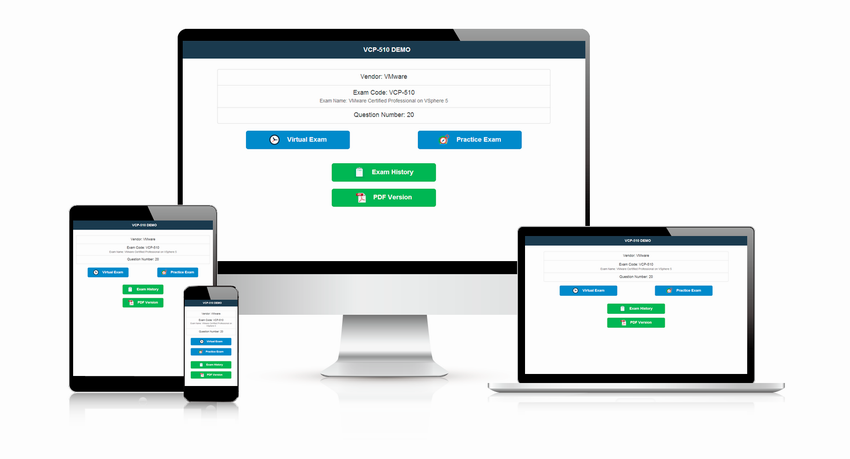
                                                                                                                                                                  Yes and yes. If you are a little suspicious, download the free demo of the C++ Institute JSA - Certified Associate JavaScript Programmer questions and check the material before deciding. After purchase, updates are free for 365 days, with new versions sent to you as soon as test points change; after expiry, extending the update service costs 50% of the regular price.

                                                                                                                                                                  We promise it in writing: a 100% money-back guarantee under defined conditions. Take the C++ Institute JSA - Certified Associate JavaScript Programmer exam within 60 days of purchase; if you fail, claim a full refund according to your transcript by submitting a scanned enrollment slip and the official Score Report PDF within 2 days of the exam, processed within 7 days. The exam must match your product, candidate and payer names must match, and attempts within 3 days of purchase, unused downloads, free materials, and expired orders are excluded. Alternatively, switch freely to other exam material: two equivalent products, free, with updates retained on your original purchase.

                                                                                                                                                                  Delivery is instant: files unlock for download at payment and are emailed within one minute, so there is no wasted time between ordering and studying. If nothing arrives within 2 hours, check spam and contact our 24/7 aftersales agents. Installation is unlimited.

                                                                                                                                                                  What Clients Say About Us

                                                                                                                                                                  LEAVE A REPLY

                                                                                                                                                                  Your email address will not be published. Required fields are marked *

                                                                                                                                                                  Try Before You Buy

                                                                                                                                                                  Download a free sample of any of our exam questions and answers
                                                                                                                                                                  • 24/7 customer support, Secure shopping site
                                                                                                                                                                  • Free One year updates to match real exam scenarios
                                                                                                                                                                  • If you failed your exam after buying our products we will refund the full amount back to you.

                                                                                                                                                                  Quality and Value

                                                                                                                                                                  TorrentVCE Practice Exams are written to the highest standards of technical accuracy, using only certified subject matter experts and published authors for development - no all study materials.

                                                                                                                                                                  Tested and Approved

                                                                                                                                                                  We are committed to the process of vendor and third party approvals. We believe professionals and executives alike deserve the confidence of quality coverage these authorizations provide.

                                                                                                                                                                  Easy to Pass

                                                                                                                                                                  If you prepare for the exams using our TorrentVCE testing engine, It is easy to succeed for all certifications in the first attempt. You don't have to deal with all dumps or any free torrent / rapidshare all stuff.

                                                                                                                                                                  Try Before Buy

                                                                                                                                                                  TorrentVCE offers free demo of each product. You can check out the interface, question quality and usability of our practice exams before you decide to buy.